

Nigeria could generate an additional $22.9bn in annual economic output by narrowing gender gaps in economic participation, as women continue to bear a disproportionate share of childcare responsibilities, according to the World Bank Group.
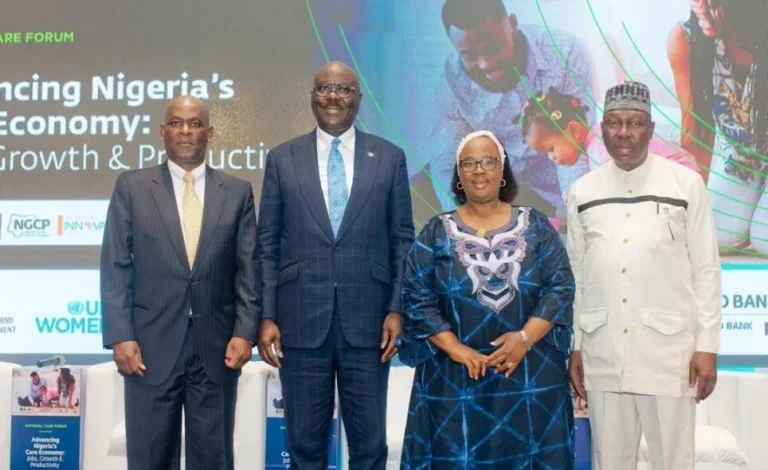
The estimate was presented by Senior Economist at the World Bank Group’s Gender Innovation Lab, Ayodele Fashogbon, at the National Care Forum in Lagos on Tuesday. The forum was themed ‘Advancing Nigeria’s Care Economy: Jobs, Growth and Opportunity.’
Fashogbon said Nigerian women spend an average of 76 minutes daily caring for children, compared with 13 minutes for men, meaning women devote almost six times as much time to childcare.
The gap is wider in rural communities, where women spend about eight times as much time on childcare as men.
The economist said the unequal distribution of unpaid care responsibilities limits women’s ability to participate fully in the labour market, develop businesses and pursue better-paying employment opportunities.
The economic cost is particularly significant for women aged between 25 and 39, who spend an average of 139 minutes daily on childcare. These are also the years when many people build careers, establish businesses and acquire professional skills.
Fashogbon said household responsibilities become more demanding when a child under six joins a family. Women’s working time falls by about 36 per cent, from 244 minutes daily to 156 minutes, while men’s working time increases by approximately 30 per cent.
Nigeria also faces a significant shortage of formal childcare services, with fewer than five per cent of children below three years enrolled in centre-based care.
According to Fashogbon, about 75 per cent of childcare providers reported difficulties accessing financing, while only five per cent of private sector employers invest in childcare.