Who Was Taiwo Hassan “Ogogo”? Here’s What You Should Know About the Late Nollywood Legend

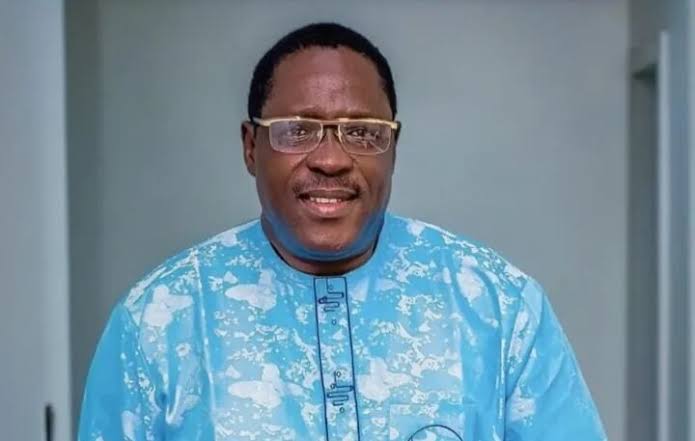
Nigeria lost one of Yoruba cinema’s defining figures this week. Here’s a proper look at the man behind the name millions of Nigerians grew up watching on screen.
The Basics
Born Taiwo Hassan on October 31, 1959, in Ilaro, Ogun State, he became known professionally simply as Ogogo a name that stuck so firmly, many Nigerians never even knew his real name. His full name was actually Taiwo Babajide Al Hassan, and he was born to Taiwo Subaru Akande and Halimat Ayinke Jenrade. He died on Sunday, August 23, 2026, at age 66, after a battle with stage-four cancer, and was buried the following day in his hometown of Ilaro.
A Family Legacy of Twins
Twinhood runs unusually deep in Ogogo’s family history his grandfather was a twin, his father was a twin, and his mother reportedly gave birth to twins on four separate occasions. Ogogo himself was a twin; his brother was named Kehinde Hassan. He once revealed publicly that his mother gave birth to four sets of twins in total, and that he was the only surviving child among all of those siblings a striking, deeply personal detail that shaped much of how he understood his own identity and heritage. His very name, “Taiwo,” reflects this heritage, traditionally given to the firstborn of a twin pair in Yoruba culture.
Even his stage name carries that same weight of tradition “Ogogo” wasn’t an arbitrary entertainment nickname, but a name connected to his family’s oriki, the Yoruba praise-poetry tradition passed down through generations.
From Mechanic to Movie Icon
Before Nigeria knew him as one of Yoruba cinema’s most recognizable faces, Ogogo trained as an automobile mechanic. He worked in that field at the Lagos State Water Corporation for about 13 years before finally leaving in 1994 to pursue acting full-time. His interest in performing developed in the early 1980s, when he began learning the craft under the mentorship of veteran theatre practitioner Awo Ademola Fagbemi a grounding in stage performance that helped shape the confidence and range he’d later bring to film.
A Career That Spanned Generations
Ogogo’s professional career as an actor, screenwriter, producer, and director ran from 1981 all the way through to his final years. Across a career that touched close to 100 major film credits and by some counts, well over 300 films when factoring in his full body of work he became known for his dramatic range, moving comfortably between villainous roles and comic ones alike.
What made his career especially remarkable was its longevity he was already an established name when many of today’s most popular Nollywood stars were still children, yet he continued landing roles in major contemporary productions well into his sixties, including his celebrated turn as Alaafin Ademuyiwa in Kunle Afolayan’s Aníkúlápó (2022) and its 2024 sequel, Aníkúlápó: Rise of the Spectre. His filmography includes titles like Elewon, Ọkan Soso, Apaadi, and Omo Ghetto, alongside dozens of others spanning both Yoruba and English-language productions. His contributions to Nigerian cinema were formally recognized with the prestigious City People Movie Lifetime Achievement Award in 2015.
A Private Man With Strong Convictions
Despite his public profile, Ogogo generally kept his personal life away from the spotlight, rarely discussing it publicly. What was widely known, however, was that he was a devout Muslim. He also spoke openly at times about fatherhood and parental responsibility, maintaining firmly that men should never permanently abandon their responsibilities to their children a value that, based on the outpouring of love from his own daughters during his final weeks, he appears to have lived by.
A Legacy That Outlives Him
Over more than four decades, Ogogo helped shape what Yoruba cinema looks and feels like for entire generations of Nigerian audiences moving from technical education and stage mentorship, through television and home video, to major streaming-era productions that introduced him to entirely new audiences late in his career. Few actors manage a professional run that long, and fewer still remain this relevant across so many eras of an industry’s evolution.
Wahala Network Take
From fixing cars to fixing his place permanently in Yoruba cinema history Ogogo’s story is a genuine reminder that legacy isn’t built overnight. Rest well, sir T. Your work, and your name, aren’t going anywhere.